






2026/3/26
Revealing the Hidden: Questioning the Essence
Masayoshi Yokoyama
Head of RGG Studio / Executive Director
Head of RGG Studio / Executive Director
In its fourth collaboration, Like a Dragon reimagines its iconic tattoo imagery through the lens of collage. We sat down with Yokoyama to unpack the thinking behind this latest expression.
ーThe first collaboration explored the “everyday” with Like a Dragon, while the second examined its enigmatic appeal “between the ordinary and the extraordinary.” Marking the 20th anniversary, how would you define the theme of this fourth installment?
On December 8, the Like a Dragon series marked its 20th anniversary. What began as an extension of classic yakuza cinema has, over the past two decades, evolved alongside its audience. Today, it’s not uncommon to see three generations enjoying the series together.
Over the past year, RGG Studio has launched a range of real-world initiatives and products as a way of giving back to its fans. While building a lineup that speaks to all ages and backgrounds, we also wanted to create something that sits at the very top — a piece that embodies what Like a Dragon truly is.
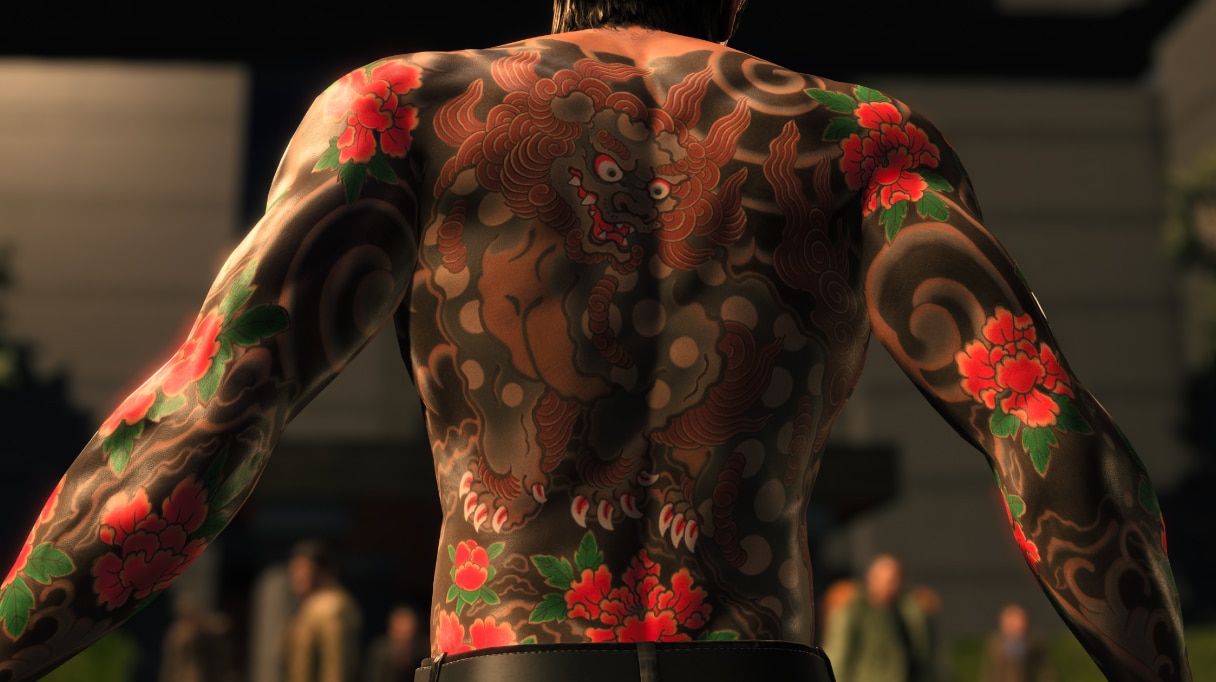
For 20 years, tattoo motifs have served as one of the franchise’s defining visual signatures. But tattoos, at their core, are not meant to be shown — they are meant to be hidden, a reflection of one’s way of life.
WILDSIDE has consistently challenged that idea, bringing these motifs into the open.
By revealing what is meant to be concealed, the work begins to question its own essence.
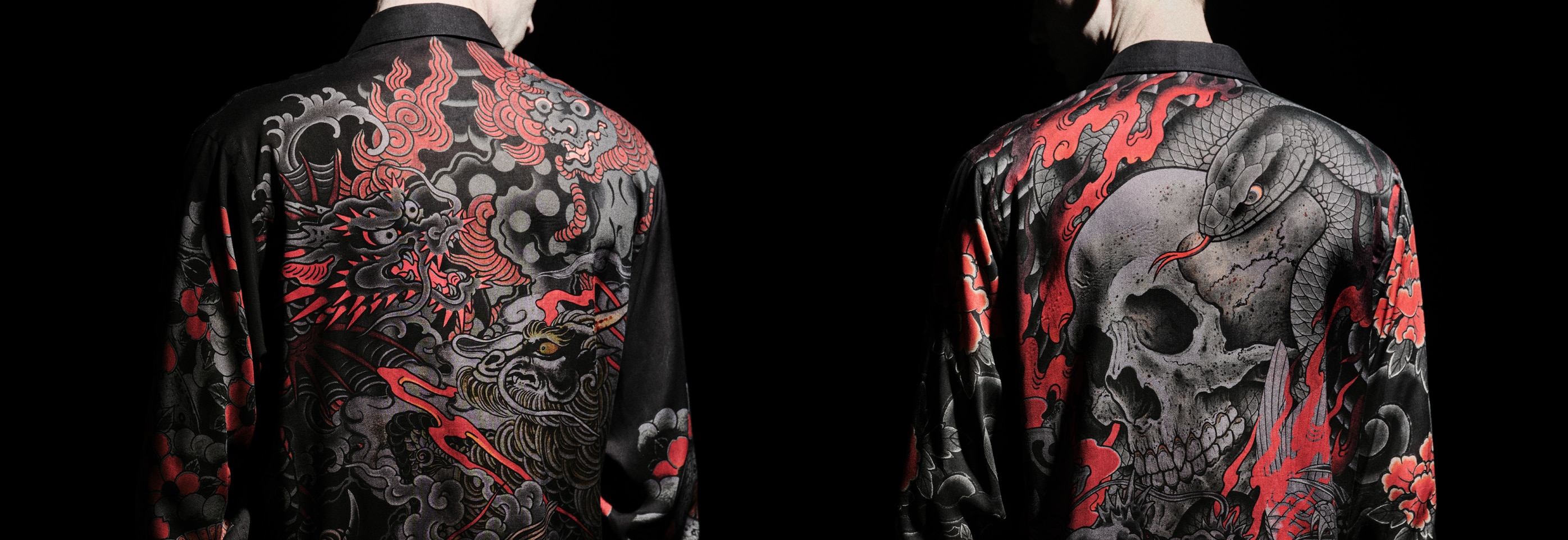
This latest collection feels like the culmination of that concept — a chaotic world where multiple tattoo motifs collide and merge.
What is it about Like a Dragon that resonates across three generations?
I don’t think there’s a single clear answer.
What I can say is that every fan connects with it differently.
Some are drawn to the story, others to the action. Some fall for the characters, while others are immersed in the world itself.
In that sense, Like a Dragon is an unfiltered mix of everything people find compelling or cool — an ensemble where those elements coexist freely.
This fourth collection reconstructs that very chaos, elevated by a bold, passionate red.
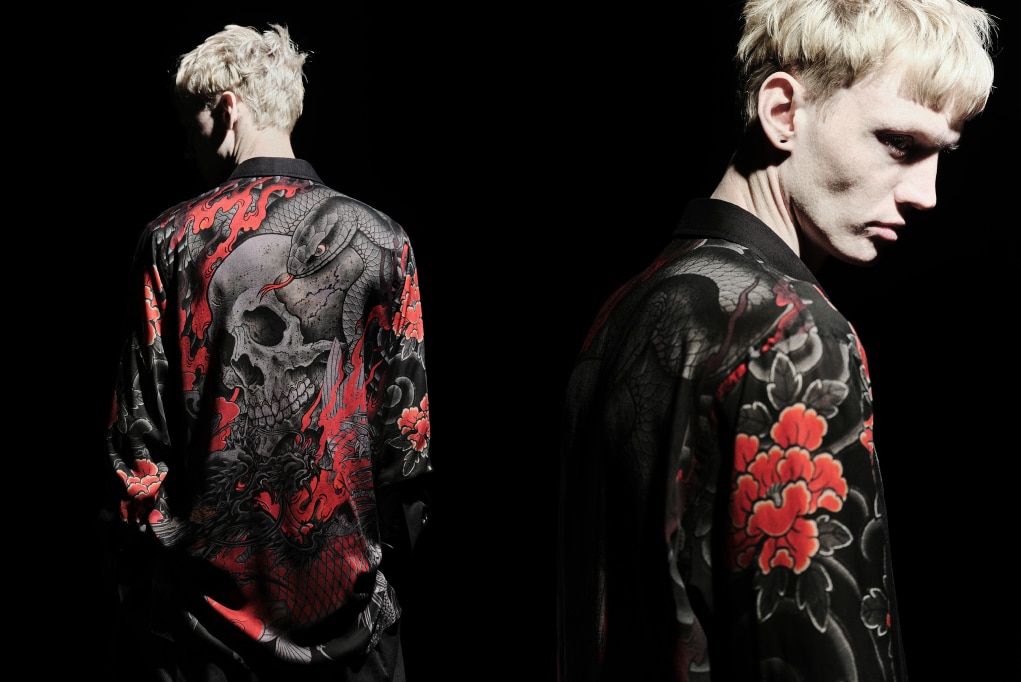
ーThis time, character tattoos are translated into apparel through collage. How did you approach that from a creative standpoint?
Each tattoo carries its own story. When etched onto the body, it becomes a reflection of identity and personal philosophy.
Every tattoo design in Like a Dragon has been created alongside tattoo artist Horitomo, with careful attention to each character’s background and narrative role.
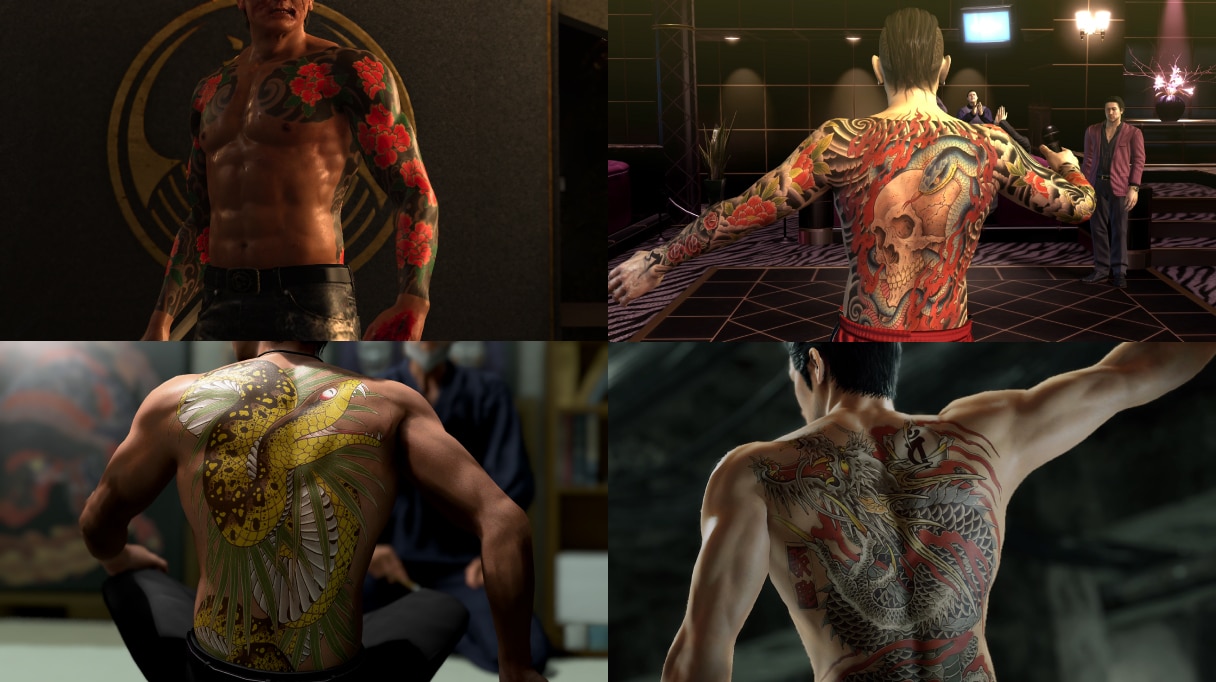
The tattoo of the character that served as the motif for the fourth collaboration item
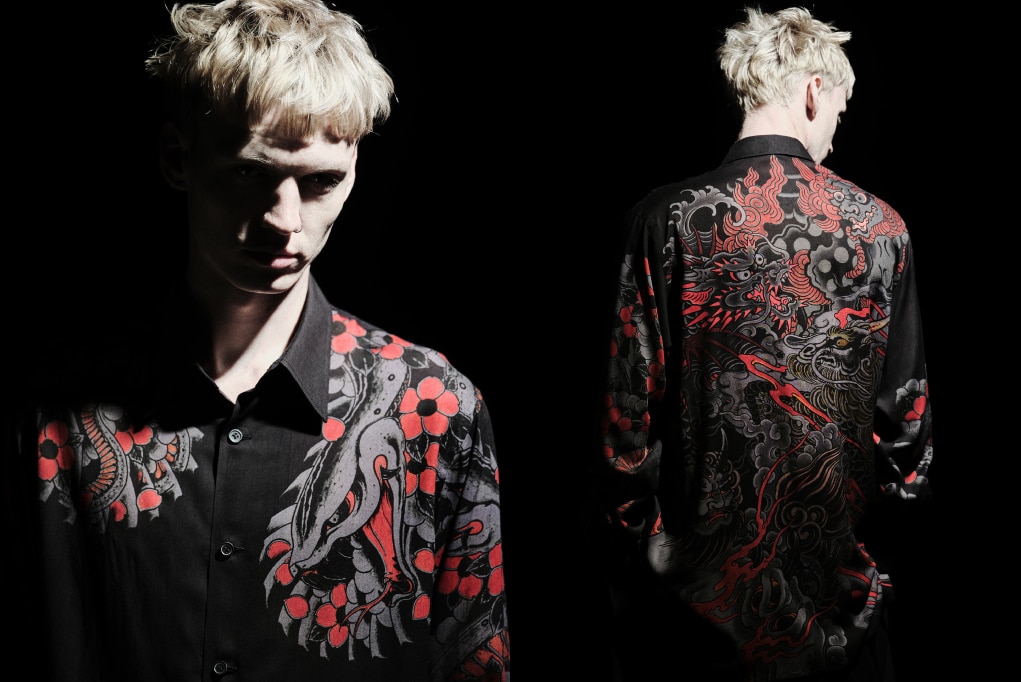
For a long time, we avoided mixing these motifs. Each one is built on a strong identity, and combining them felt like it would break that foundation — there was even a sense of fear in approaching it.
That changed four years ago, when I became head of RGG Studio. I decided to remove that restriction and created a large-scale collage of the series’ iconic motifs.
No logos, no text — just a visual that instantly communicates the world of Like a Dragon. Something you feel, rather than analyze.
That piece still stands in our studio today.
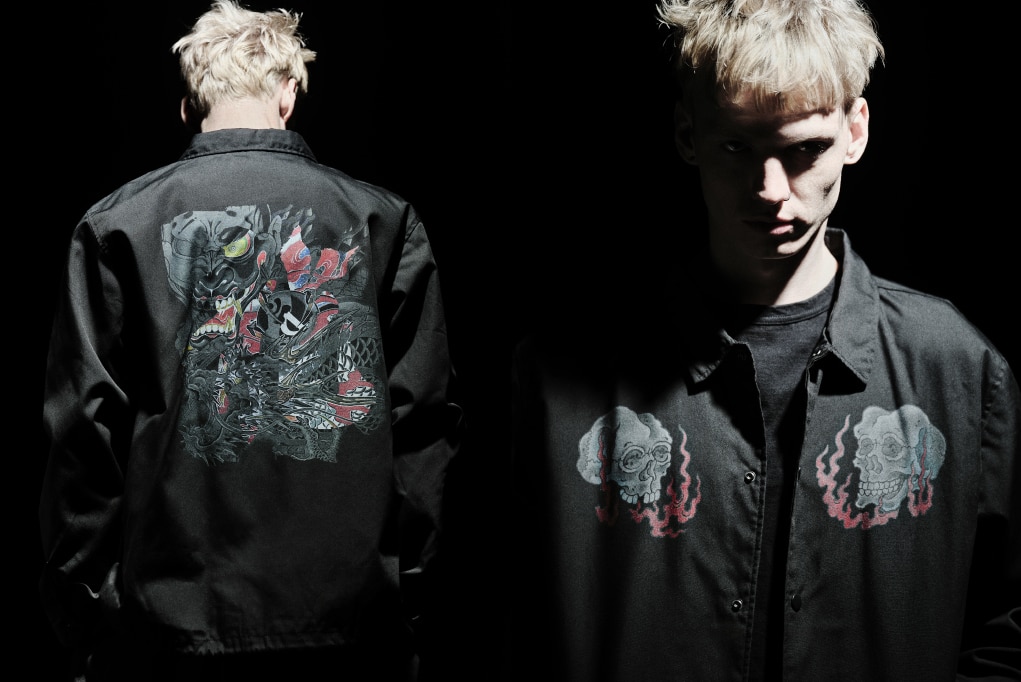
This collaboration pushes that once-taboo idea even further — translating it into something you can actually wear.
In a way, it feels like “wearable RGG Studio.”
ーDo you see collage as part of your creative process in game development as well?
I’m actually very easily influenced (laughs).
Looking back, my work is heavily shaped by the films and dramas I was watching at the time. I don’t consume a huge volume, but I tend to revisit the same works repeatedly — to the point where I remember every line.
Those influences stack, overlap, and eventually form something new.
In that sense, my creativity itself is a collage happening inside my head.
ーThis marks your fourth collaboration with WILDSIDE. Have you seen any shifts in audience or reception?
It’s rare for a game IP to approach fashion with this level of attention to craftsmanship and history.
People often ask, “Do items at this price point really sell?” (laughs)
But when we meet fans at events, many show up wearing pieces from past collaborations. Even voice actors and cast members have purchased them for personal use. In some ways, these pieces have become a kind of uniform — something shared among those connected through the IP.
We’re also seeing increasing interest from overseas, and with each collaboration, it feels like these items are becoming recognized globally as symbols of the brand.
ーDo you have a personal favorite from this collection?
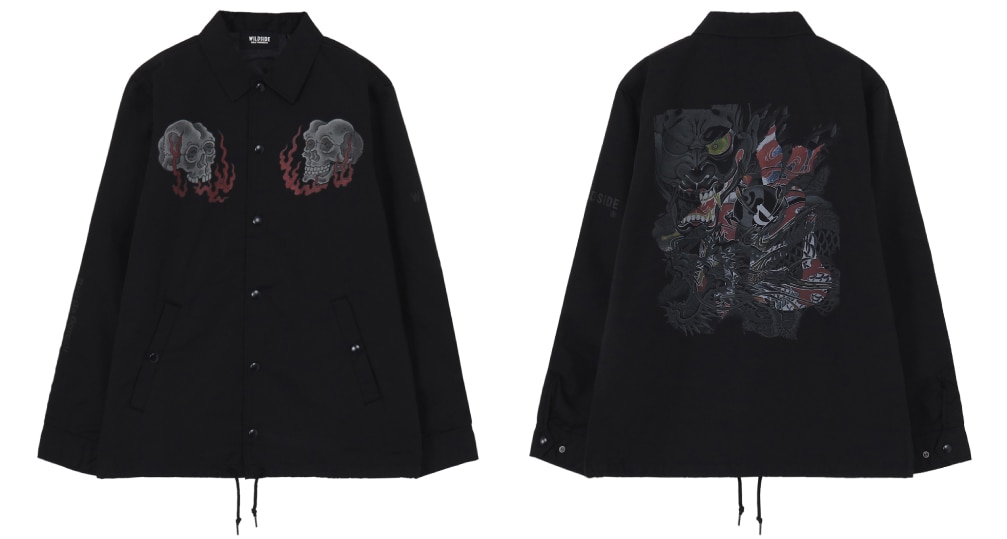
The coach jacket stands out. It’s the only piece featuring the RGG Studio logo.
Rather than placing the logo front and center, it’s embedded within a tattoo collage — at first glance, you see the pattern, but over time, the logo reveals itself. I really like that subtlety.
It’s also incredibly practical. Easy to throw on, works with anything, and not overly formal.
I wear it to the office almost every day (laughs).
ーFinally, with new titles like “STRANGER THAN HEAVEN” and the “New VIRTUA FIGHTER Project” on the horizon, what can you share about what’s next?
With both projects currently in development, 2026 will be a pivotal year — one that could redefine the image of Like a Dragon.
I can’t go into details just yet, but we’re also exploring new ideas with WILDSIDE behind the scenes.
Stay tuned for what’s next from RGG Studio.
Click here for WILDSIDE×RYU GA GOTOKU STUDIO collaboration items
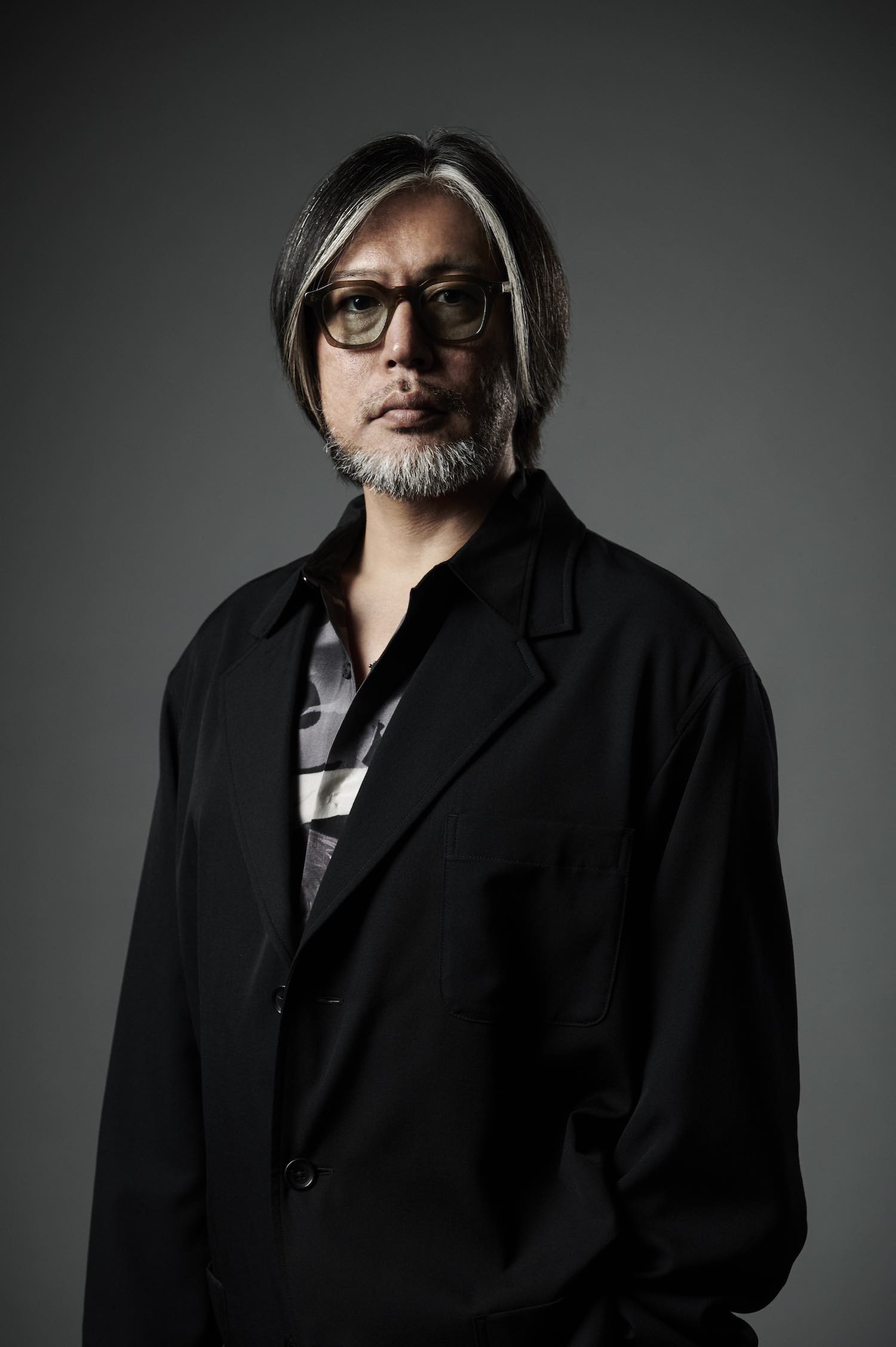
Profiles
Masayoshi Yokoyama
Head of RGG Studio / Executive Director
Has served as a central member of the Like a Dragon/Yakuza series from its first title in 2005. Has written, directed, and produced for the series.
Ever since, he has guided many titles to success and continues to lead the series’ setting and world as the head of Ryu ga Gotoku Studio. He continues to provide “experiences” that go beyond gaming through rich narrative and overwhelming sense of presence.
Masayoshi Yokoyama
Head of RGG Studio / Executive Director
Has served as a central member of the Like a Dragon/Yakuza series from its first title in 2005. Has written, directed, and produced for the series.
Ever since, he has guided many titles to success and continues to lead the series’ setting and world as the head of Ryu ga Gotoku Studio. He continues to provide “experiences” that go beyond gaming through rich narrative and overwhelming sense of presence.